
Key Takeaways
- Healthcare careers pages now play a major role in recruiting because candidates research employers before applying.
- Small issues like slow load times, poor navigation, and confusing applications can cause qualified candidates to leave.
- Mobile optimization is essential since many healthcare professionals search and apply for jobs on their phones.
- Clear job details such as location, salary, and role type help candidates quickly decide whether to apply.
- Generic job descriptions make roles less appealing and fail to communicate company culture or value.
- A seamless and consistent application experience helps build trust and reduces candidate drop-off.
- Strong and visible calls to action make it easier for candidates to take the next step and apply.
- SEO and structured job data improve search visibility and help attract more qualified applicants.
- Optimizing a careers page can significantly improve hiring outcomes by reducing friction and increasing conversions.
Why Your Healthcare Careers Page Is Costing You Qualified Candidates
Healthcare organizations aren’t just competing on job boards anymore. Whether it’s a nurse, technician, or specialist, candidates are researching employers before they ever apply, and in many cases, your careers page is one of the first places they land after discovering an opportunity.
The problem is, most healthcare careers pages aren’t built to convert. They’re often treated as a basic list of job openings instead of a strategic recruitment tool, which means organizations are losing qualified candidates before the application process even begins.
At a time when hiring is already competitive and roles are harder to fill, small issues like poor mobile experience, slow load times, or unclear job information can be enough to push candidates toward another employer. Optimizing your careers page isn’t just about design or content, it's about removing friction, building trust, and making it easier for the right people to take the next step.
See how we helped a leading healthcare organization transform its recruitment career site strategy in this case study: Eisenhower Health Case Study
Why Healthcare Recruitment Is More Competitive Than Ever
Healthcare hiring has become increasingly competitive, with organizations competing for a limited pool of qualified candidates across roles like nurses, technicians, and specialists. At the same time, candidates have more access to information than ever before, and they are using it to evaluate potential employers before deciding where to apply.
That shift means your website, especially your careers page, plays a much bigger role in the hiring process than it used to. It is no longer just about posting open roles, it is about how clearly and quickly candidates can understand the opportunity, the organization, and whether it is worth their time to apply.
What Most Healthcare Careers Pages Get Wrong
Most healthcare careers pages fall short in ways that are easy to overlook but have a direct impact on whether a candidate decides to apply or move on.
Performance is one of the biggest issues. Slow load times can immediately create friction, especially for candidates browsing on mobile or between shifts, where speed and simplicity matter. If a page takes too long to load, there is a good chance the candidate never even sees the opportunity.
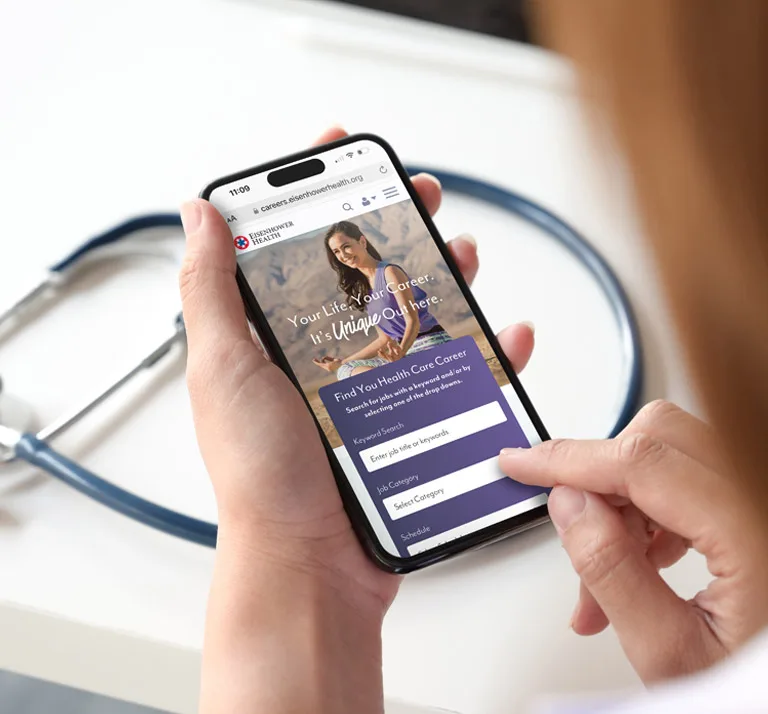
Mobile experience is another common problem. Many careers pages are still designed primarily for desktop, even though a large portion of job seekers are searching on their phones. Poor formatting, difficult navigation, and forms that are hard to complete on mobile can quickly turn people away.
Content also tends to be too generic. Job descriptions often lack clarity or feel copied and pasted, which makes it harder for candidates to understand what the role actually involves or why it is worth applying. At the same time, many pages fail to clearly communicate culture, benefits, or even location details, leaving candidates without enough context to make a decision.
There are also technical issues that create unnecessary friction. ATS redirects can feel disconnected or confusing, especially when candidates are taken to a completely different experience to complete an application. Search functionality is often clunky, relying on table-based or blocky layouts that make it difficult to filter and find relevant roles. In some cases, search results do not align well with what the user is actually looking for, which adds another layer of frustration.
Finally, many careers pages lack basic SEO structure and clear calls to action. Without proper optimization, roles are less likely to appear in search results, and without a clear and consistent apply button, candidates may not know what to do next.
Individually, these issues may seem minor, but together they create enough friction to cost organizations qualified candidates.
Key Elements of a High Converting Healthcare Careers Page
A high converting healthcare careers page is not about adding more content, it is about presenting the right information clearly and removing friction so candidates can quickly decide to take the next step.
Clarity starts above the fold. Job titles, location, and role type such as remote, hybrid, or onsite should be immediately visible, along with any compensation details like salary ranges or bonuses if available. Candidates should not have to scroll or dig to understand the basics of the opportunity.
Compensation and benefits also play a major role in decision making. Being transparent about salary, bonuses, and key benefits helps set expectations early and can increase the likelihood of attracting qualified candidates who are aligned with the role. In addition, candidates want to understand the culture and the people they will be working with since they will be spending a lot of time there. Including employee testimonials or brief staff stories can also help candidates better understand the work environment and build trust before applying.
The primary call to action should be obvious and easy to find. An apply now button should stand out visually and remain consistent throughout the page so candidates always know what to do next. If the next step in the process is unclear, there is a higher chance they will drop off.
Consistency in the application experience is also important. Redirecting candidates to a completely different domain or a page with a different look and feel can create hesitation and break trust. Keeping the experience as seamless as possible helps maintain momentum through the application process.
Content should be structured in a way that balances clarity and detail. A brief overview of the role and requirements should be easy to scan, with more detailed information available further down the page or expandable if needed. This allows candidates to quickly assess fit without feeling overwhelmed.
Finally, technical elements like structured data should not be overlooked. Implementing FAQ schema where relevant can help answer common questions directly in search results, while proper job structured data can improve visibility and bring more qualified traffic to the page.
Mobile Optimization for Healthcare Job Seekers
Healthcare professionals are often searching for jobs on their phones, whether between shifts or during limited downtime. If your careers page is not optimized for mobile, it creates immediate friction in the application process.
Simple issues like hard to read content, difficult navigation, or long forms can lead to drop off before a candidate even starts an application. A mobile friendly experience should prioritize speed, clarity, and ease of use, allowing candidates to quickly review roles and apply without frustration.
Bringing It All Together
At the end of the day, your careers page is more than a list of open positions. It is often the first real interaction a candidate has with your organization, and it plays a direct role in whether they decide to apply or move on.
When performance issues, poor mobile experience, or unclear information get in the way, even highly qualified candidates can drop off before completing an application. On the other hand, a careers page that is fast, easy to navigate, and built with clarity in mind can help guide the right candidates through the process with less friction.
Small improvements can make a measurable difference. Clear job details, a consistent application experience, and a strong call to action all work together to improve conversion and attract better aligned applicants.
For healthcare organizations competing for talent, optimizing the careers page is not just a design update. It is a practical way to improve hiring outcomes using tools and strategies that are already within reach.
Check out our recent social media marketing blog to also learn more about healthcare employment marketing: L7 Creative Healthcare Recruitment Strategies
Frequently Asked Questions
A careers page is often the first place candidates evaluate an employer after discovering a job opportunity. A well structured healthcare recruitment landing page can improve both visibility and conversion, which helps attract and convert qualified applicants.
Key elements include clear job titles, location, compensation details, benefits, a strong apply button, and a simple application process.
Many candidates search for jobs on mobile devices. A poor mobile experience can lead to higher drop off rates and fewer completed applications.
SEO helps job listings appear in search results, bringing more qualified candidates to your site and reducing reliance on job boards.
Common issues include slow load times, unclear job information, poor mobile design, and disconnected application experiences.